Using Image Recognition to scale artwork discovery at Confined 17
How The Torch used image recognition to avoid visual clutter in an exhibition of nearly 500 artworks

The Challenge
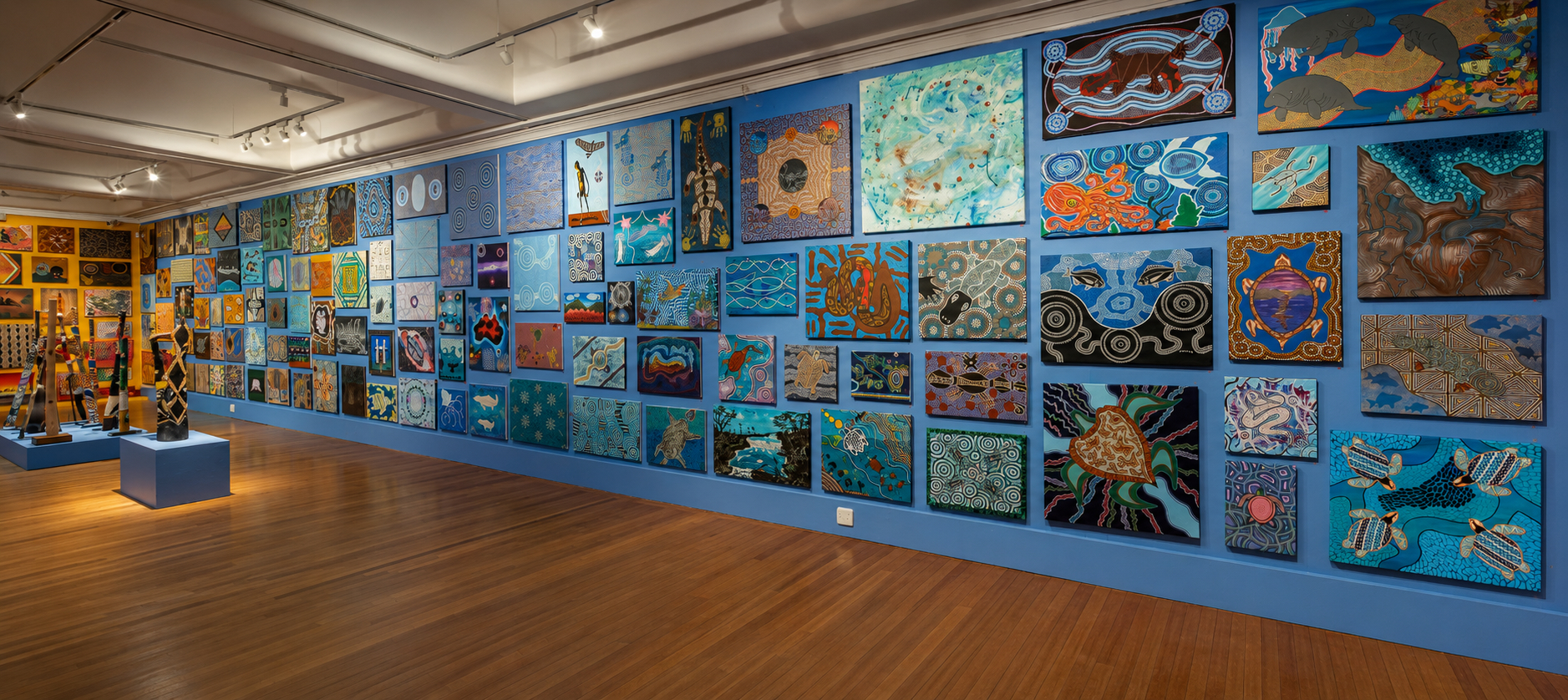
With nearly 500 artworks distributed throughout the gallery, Confined 17 presented a unique visitor experience challenge: how could visitors access artwork information without repeatedly entering wall IDs or adding QR codes throughout the exhibition?
To support this experience, Pladia introduced image recognition as an additional way for visitors to retrieve artwork information throughout the exhibition.
Context
The Torch presented Confined 17 at Glen Eira City Council Gallery, showcasing the work of 424 First Peoples artists with lived experience of incarceration in Victoria, Australia. The seventeenth annual Confined exhibition featured an immersive collection of 497 artworks spanning paintings, ceramics, carvings, woven works, sculpture and contemporary mixed-media pieces. Across the exhibition, artists shared stories exploring kinship, healing, ancestral stories and life journeys. Importantly, 100% of artwork sales go directly to the artists.
Scanning artworks instead of searching for them
In addition to traditional wall IDs, visitors could open an in-app scanner and simply point their camera at an artwork to instantly view artwork details, artist information and deeper stories directly within the Pladia Empower Progressive Web App (PWA).
Because the experience was delivered via a PWA, visitors could utilise Pladia's image recognition capabilities immediately through their mobile browser without installing a native app or creating an account.
Visitors could:
- Open the scanner
- Point at an artwork
- View artwork information
- Explore deeper stories
%20(1).jpg)
The goal was to make accessing artwork information feel like part of the exhibition experience rather than a separate task.
How it performed
Visitors responded positively to the experience. One anonymous visitor wrote:
"Being able to scan the paintings to see details and the artists words is fantastic."
Usage data supported that feedback:
- Over 10% of users used image recognition during their visit
- Over 60% of image recognition users scanned multiple artworks
- 65% of scans led to deeper artwork exploration beyond the lightweight preview
The strongest signal was repeat usage. More than half of visitors who used image recognition returned to scan additional artworks throughout the exhibition, suggesting the interaction quickly became part of their natural viewing flow.
Looking ahead
Confined 17 demonstrated how image recognition can support large exhibitions where visitors move quickly between hundreds of artworks. Rather than having to stop to enter a wall ID or scan a QR code, visitors could use the artwork itself as the starting point.
For The Torch, this created a simpler path between the artwork and the stories behind it.
With image recognition, the artwork remains centre stage.
